
Two things people mean by "sell online"
1. A shop
Products with prices, a cart, a checkout, and an order that lands in your inbox and in an admin screen you can actually use. Physical goods get delivery options and stock counts; digital goods unlock the moment payment clears, with nothing for you to email at 11pm.
2. A course or membership
Students or members sign up, pay, and log in to exactly what they bought — no more, no less. Lessons, modules, progress, and an admin view of who is enrolled in what. This is the harder build of the two, and the one I have done most.
What a Singapore shop needs that a foreign template forgets
- PayNow. A large share of Singapore customers would rather scan a QR code than type a card number. Offering only cards costs you real orders.
- Cards and bank transfer alongside it, through Stripe — Visa, Mastercard, Amex, Apple Pay and Google Pay.
- Local delivery reality — flat-rate island-wide, free over a threshold, or self-collection. Not a US shipping-zone matrix you have to fight.
- WhatsApp on the product page. Singaporeans ask before they buy. Removing that friction converts better than any trust badge.
- GST handling if you are registered — displayed correctly, not bolted on at the last step where carts get abandoned.
- PDPA-aware accounts — collect what you need, say what you do with it, let people delete it.
The three live ones
Not case studies with the client's name removed. Businesses I run, that I had to keep working after launch.
SG Exam Prep — per-item paywall
Exam papers sold subject by subject. A parent pays for one paper and that paper opens instantly; everything else stays shut. The hard part was not the checkout, it was making "what did I buy" obvious a month later. Open sgexamprep.com
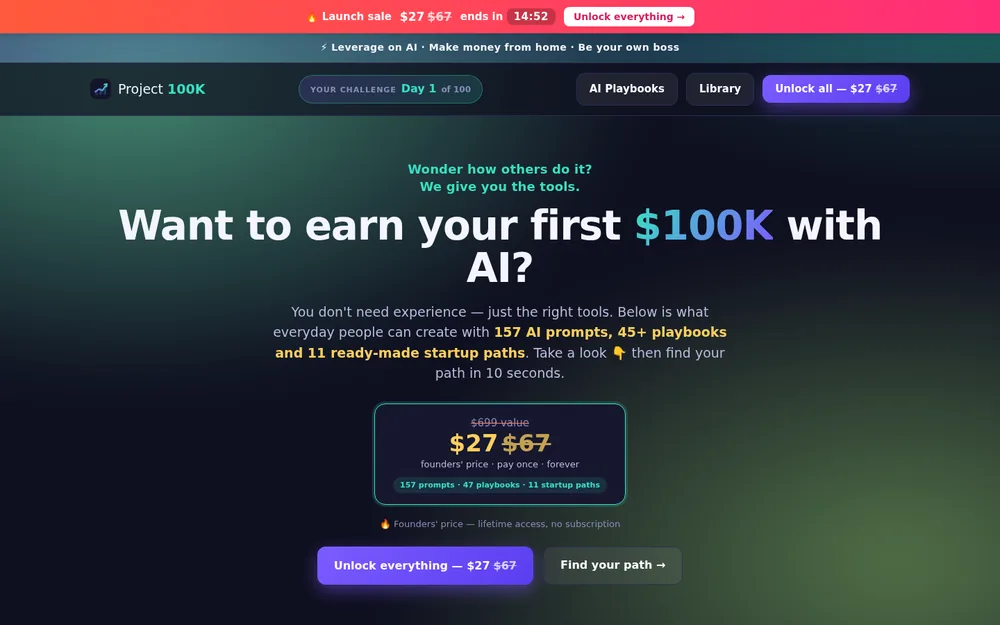
Project 100K — subscription memberships
An AI prompt library behind a recurring Stripe subscription. Members log in, content unlocks, and lapsed cards are handled without me touching anything. Open theproject100k.com
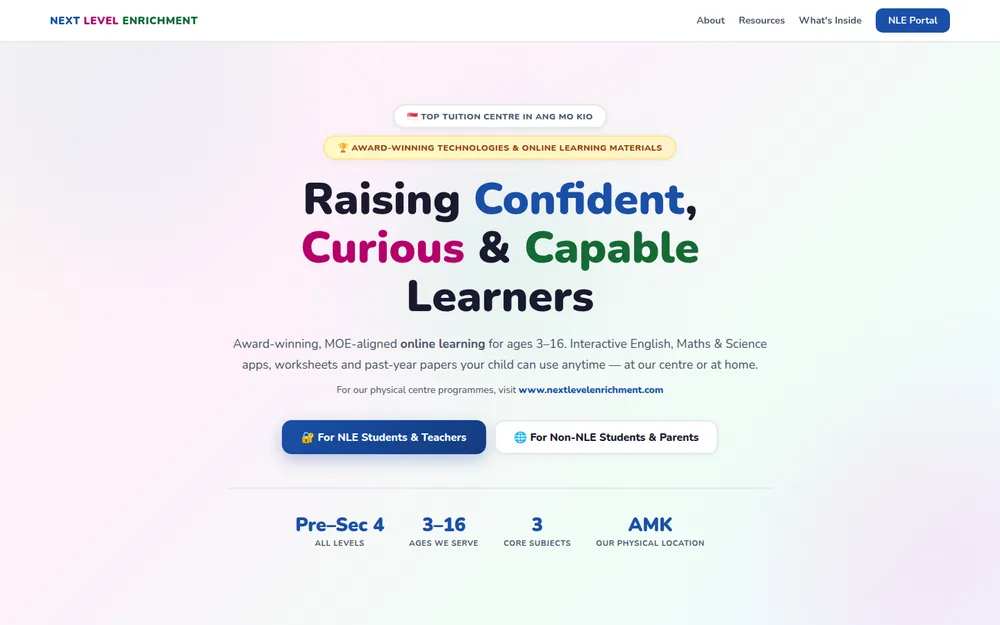
The learning portal — e-learning at scale
Hundreds of interactive lessons behind a login, with each family seeing only what they paid for, on phones and school laptops alike. This is the build most tuition centres and course creators are actually asking for. Open nextlevelenrichment.cloud
What it costs
From $1,500, which covers a shop or course site of around twelve pages with checkout or logins, PayNow and cards, customer accounts, and an admin area you are trained on before handover. Larger catalogues, subscriptions or unusual integrations are quoted on top — and quoted before anything is built.
There is no monthly platform fee, because there is no platform taking a cut. The only recurring costs are hosting at S$25 a month billed yearly — S$300 a year — after the free first year, and the payment processor's own fee on cards, which is lower again on PayNow. Full numbers on the cost page.
Shopify or custom?
Straight answer: if you have hundreds of products, variants, warehouses and staff, use Shopify. It is excellent and I will tell you so. Custom wins when you have a focused catalogue, want no monthly fee, need something Shopify does not do — per-item unlocking, course progress, membership tiers — or when the theme is fighting your brand.
Tell me what you're selling
Products or courses, roughly how many, and how customers pay you today. That is enough for a real number and a timeline, within one to two business days.